Printing and personalisation techniques

We help you choose how to print your logo. These are all the techniques we do, with their key features and when each one is the right choice.

Textile techniques

For T-shirts, polos, hoodies and all kinds of apparel. Each technique has its strength depending on the design, quantity and fabric.

Screen printing

Screen printing

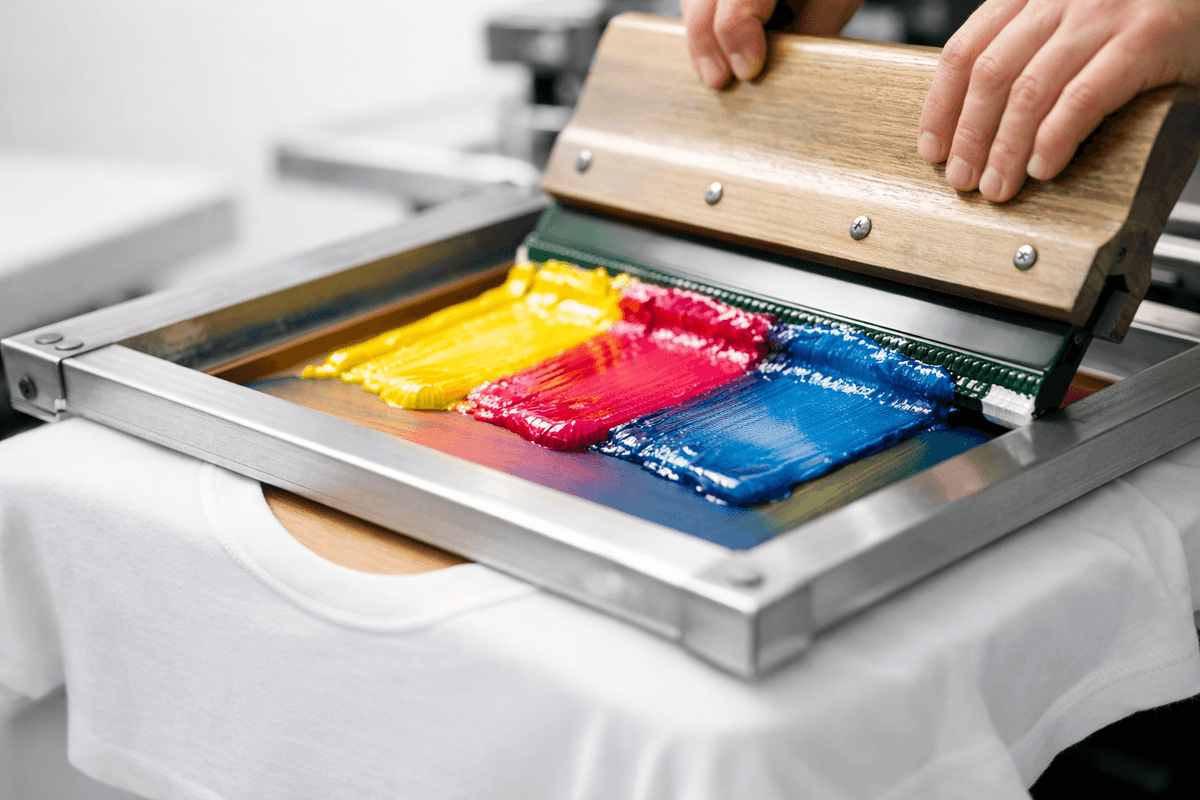
Ink pushed through a mesh screen onto the garment, one screen per colour in the design.
  • Up to 10 simulated colours
  • The most durable technique on the market
  • Plastisol or water-based inks
  • Cost-effective from 25 units
Best for:Spot-colour logos, medium to large runs, garments that will be washed frequently.
Not ideal for:Photographs with complex gradients, very short runs (under 10 units).
Products:
T-shirtsPolosHoodiesSportswearWorkwear
DTG digital printing

DTG digital printing

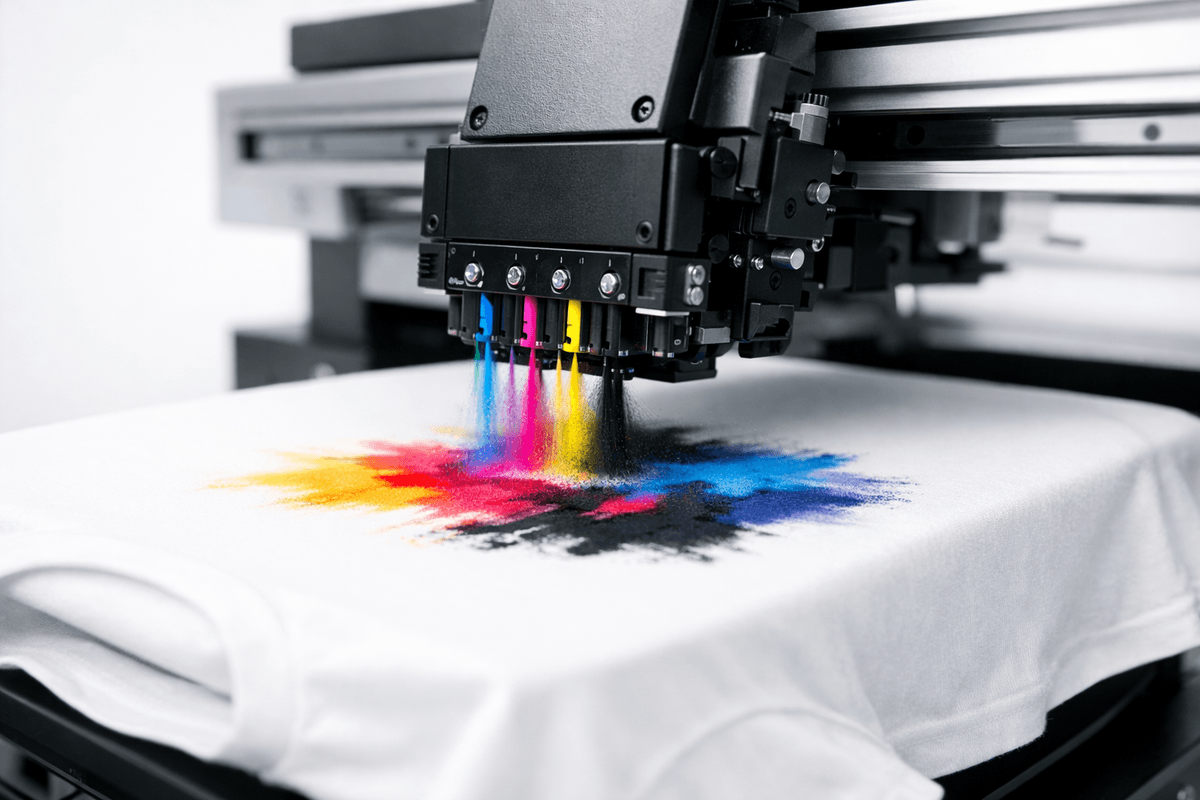
Inkjet printed directly onto the garment, like a paper printer but on fabric.

  • Unlimited colours
  • Perfect photographs and gradients
  • No screens or setup costs
  • Cost-effective from 1 unit
Best for:Photographs, complex full-colour designs, short runs and samples.
Not ideal for:Large runs with 1-2 colour logos (screen printing is cheaper).
Products:
T-shirtsPolosHoodiesTechnical shirts
DTF

DTF

Full-colour digital transfer printed on film and heat-pressed onto the garment, with photographic detail from 1 unit.
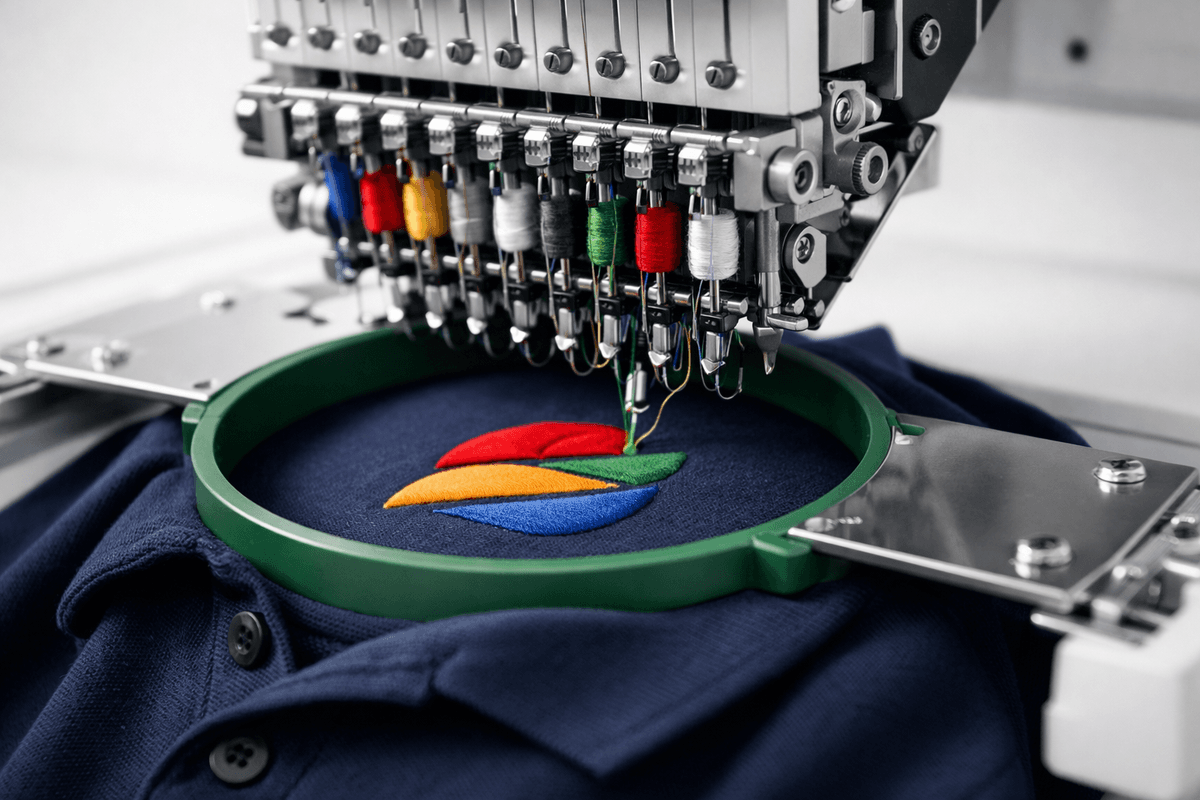
  • Full colour and gradients with no screens
  • Works on cotton, blends and many dark garments
  • No production minimum
  • Good wash resistance when applied correctly
Best for:Short runs, names, photographs and full-colour logos on t-shirts, polos and hoodies.
Not ideal for:Very large runs of 1-2 solid colours (screen printing is usually cheaper) or garments that cannot be heat-pressed.
Products:
T-shirtsPolosHoodiesWorkwear
Embroidery

Embroidery

Thread stitched directly onto the garment with an industrial multi-needle machine.
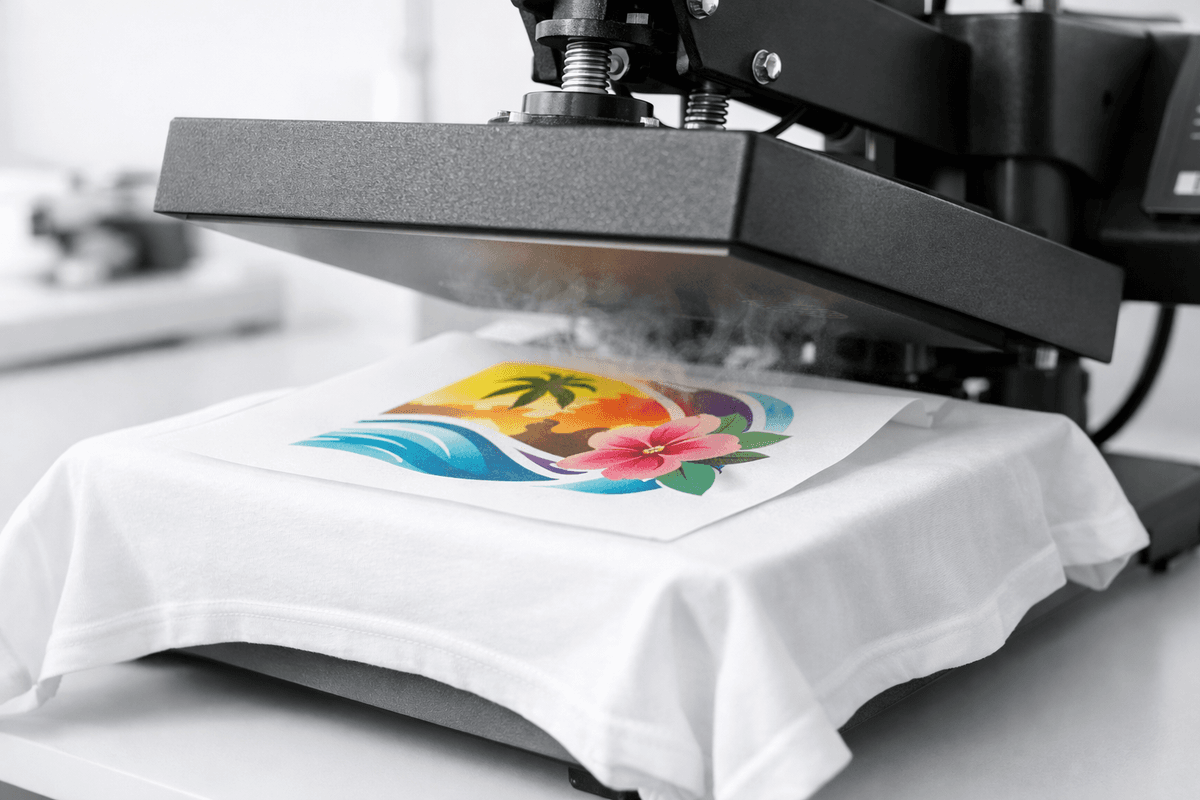
  • Premium, elegant finish
  • Tactile relief that never fades
  • Up to 15 colours per design
  • Superior wash durability
Best for:Corporate logos, polos, premium garments, company uniforms.
Not ideal for:Very large designs, gradients or photographs, very thin fabrics.
Products:
PolosT-shirtsHoodiesCapsJacketsWorkwear
Textile transfer

Textile transfer

Image printed on a carrier and transferred to the garment with heat and pressure.

  • No screens or setup costs
  • Works on cotton and polyester
  • Fast to produce
  • Cost-effective for short runs
Best for:Names, numbers, individual personalisation, short runs with multiple designs.
Not ideal for:Large runs with a single design (screen printing is cheaper), multi-colour designs.
Products:
T-shirtsPolosHoodiesSportswearWorkwear

Object and drinkware techniques

For mugs, bottles, tumblers, pens and promotional gifts. The technique depends on the material and shape of the object.
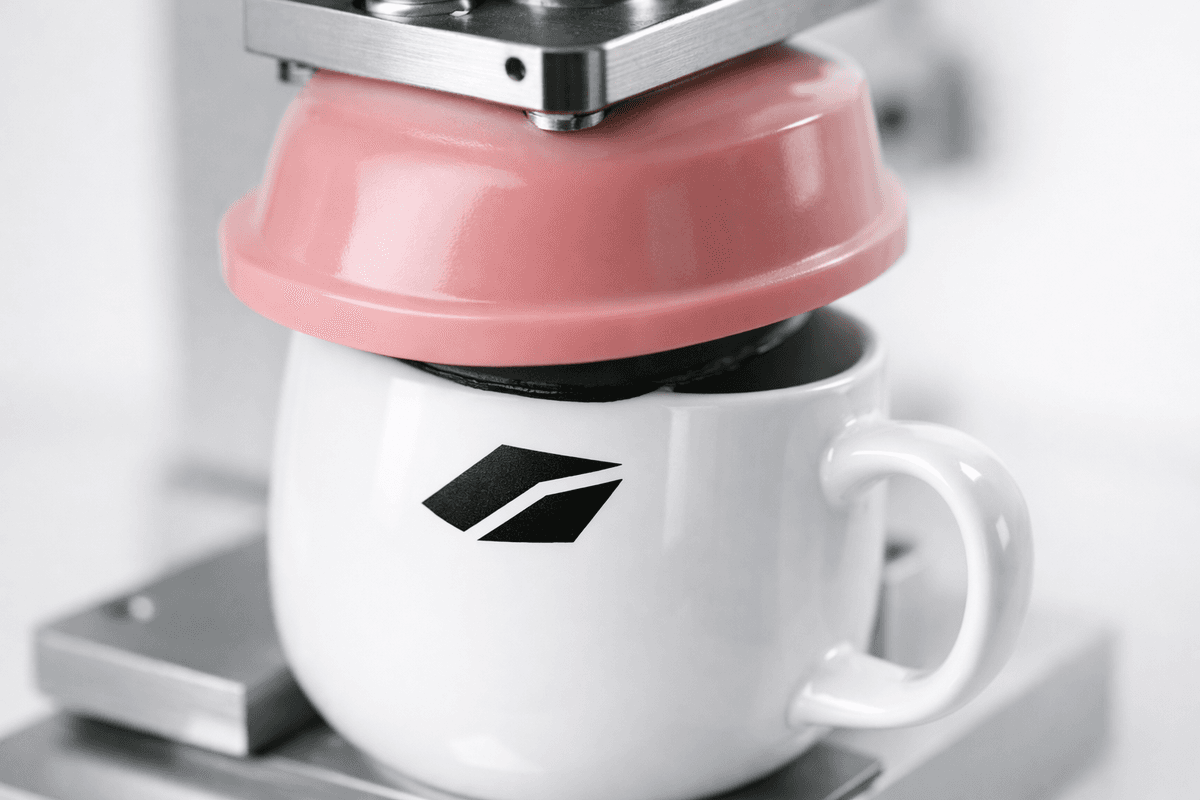
Pad printing

Pad printing

Ink transferred via a silicone pad to the object surface, ideal for curved shapes.
  • Curved and small surfaces
  • High detail precision
  • Solid, opaque inks
  • Fast to produce
Best for:Mugs, pens, keyrings, small curved objects, 1-4 colour logos.
Not ideal for:Large surfaces, photographs, gradients, 360 wrap-around printing.
Products:
MugsPensKeyringsPromotional itemsUSB drives
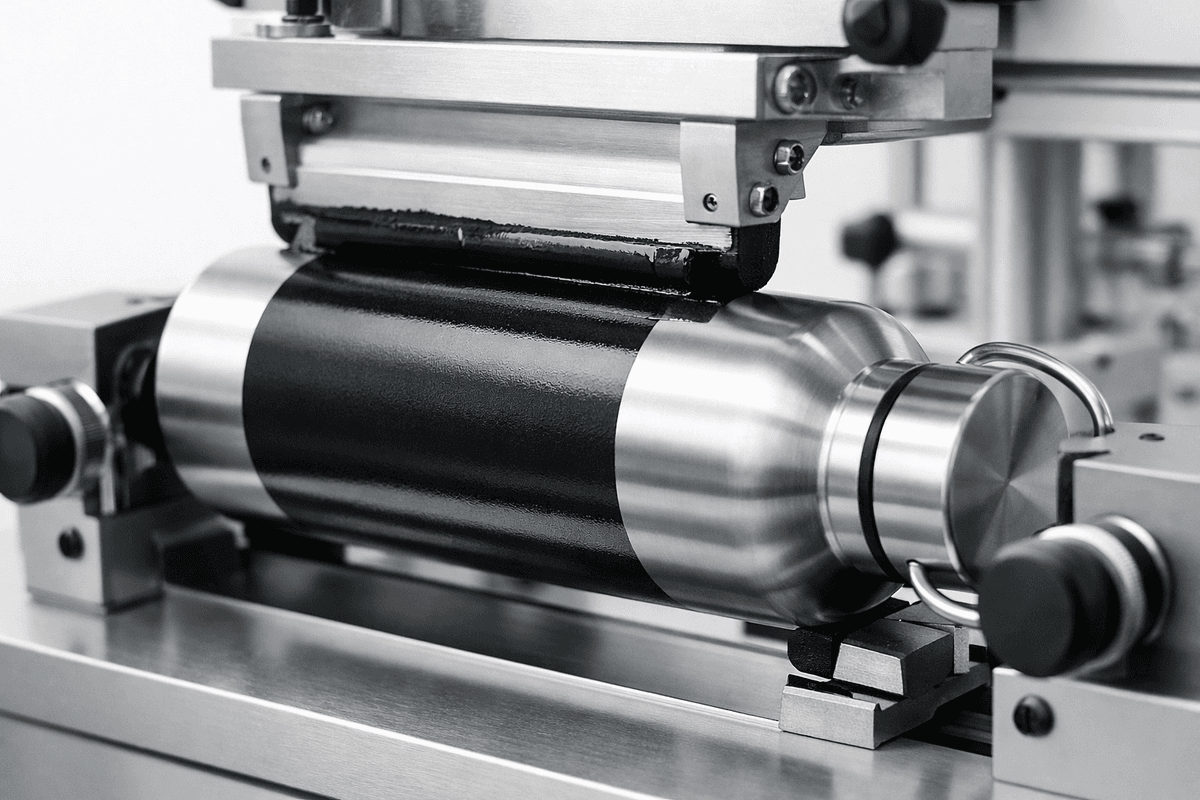
Round screen printing

Round screen printing

Screen printing adapted to cylindrical surfaces, enabling 360 wrap-around printing on bottles and tumblers.
  • Full 360 wrap-around printing
  • Solid, durable inks
  • High coverage and opacity
  • Professional finish
Best for:Bottles, tumblers, flasks, wrap-around printing, spot-colour logos.
Not ideal for:Photographs, gradients, flat objects, full-colour designs.
Products:
BottlesTumblersFlasksJerrycansMugs
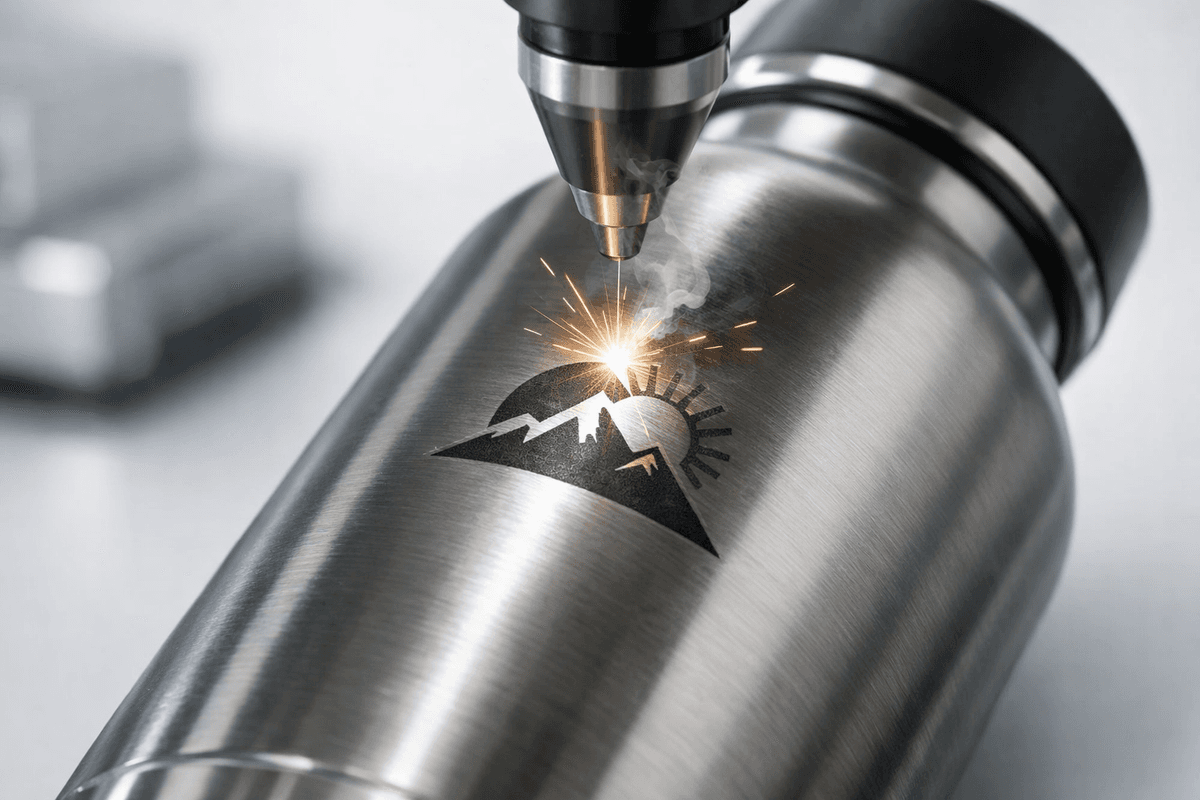
Laser engraving

Laser engraving

Permanent laser mark with no ink, engraved directly onto the object material.
  • Permanent and indelible, never fades
  • No ink, marks by vaporising material
  • High precision and detail
  • Elegant, premium finish
Best for:Metal, wood, thermal bottles, premium gifts, monochrome logos.
Not ideal for:Plastic, vivid colours, photographs, surfaces that need colour.
Products:
Thermal bottlesTumblersMetal pensWoodLeatherPremium gifts
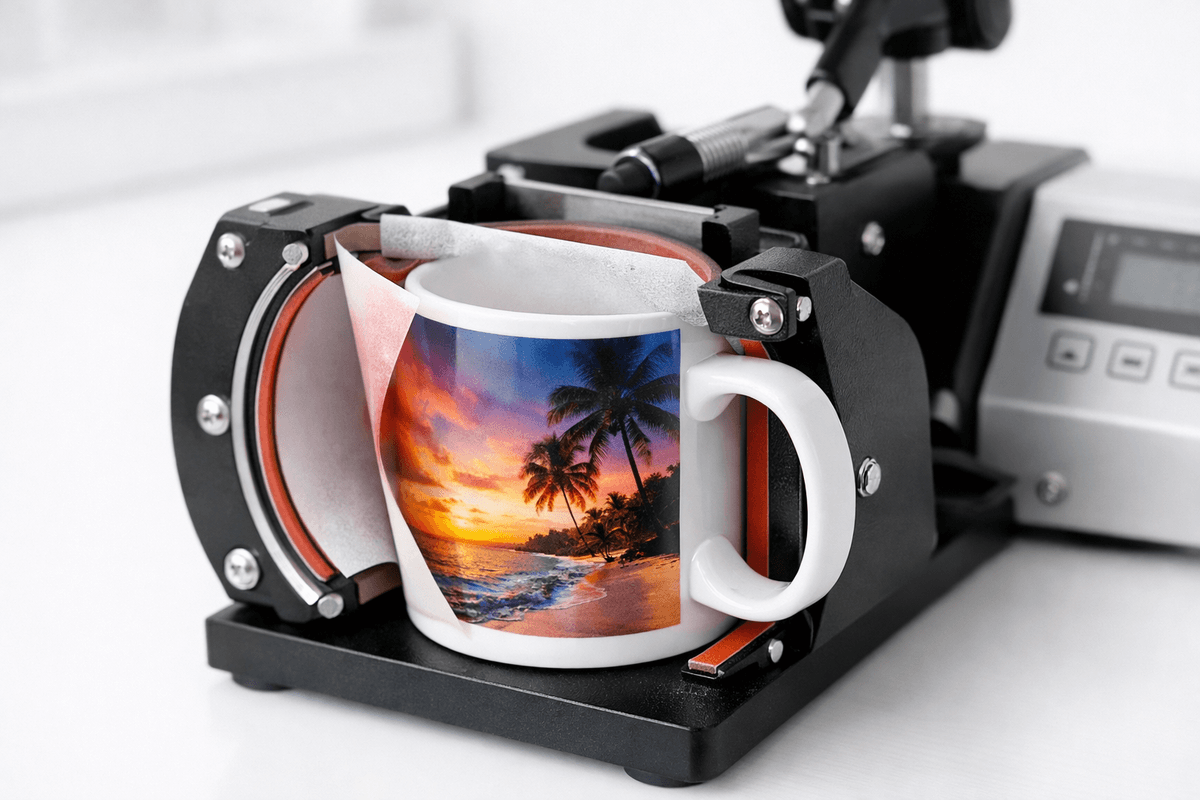
Sublimation

Sublimation

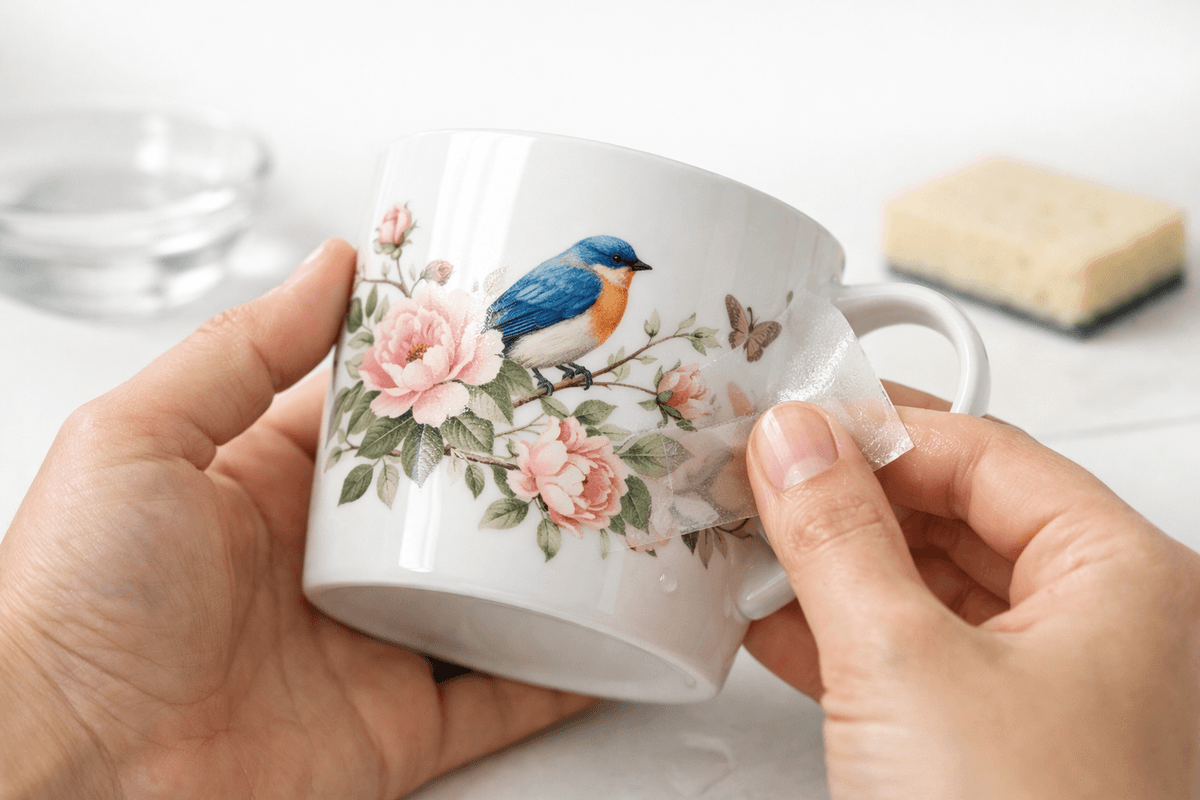
Ink that turns to gas with heat, impregnating the material in full colour with no hand feel.
  • Permanent full colour, high definition
  • No hand feel (ink integrates into material)
  • Vivid, dishwasher-safe colours
  • Light materials with polymer coating only
Best for:White mugs, ceramics, photographic results, full-colour designs.
Not ideal for:Dark materials, uncoated metal, 1-2 colour logos.
Products:
MugsCeramicsBowlsPolymer-coated objects
Ceramic transfer

Ceramic transfer

Ceramic decal fired in a kiln at high temperature onto the piece, extreme durability.

  • Kiln-fired at high temperature
  • Extreme durability, dishwasher safe
  • High definition and detail
  • Long-life professional finish
Best for:Mugs, ceramics, intensive daily use, maximum dishwasher durability.
Not ideal for:Metal, plastic, non-ceramic objects, very urgent runs.
Products:
MugsBowlsCeramicsClay objects

Frequently asked questions

What is the minimum order?
The usual minimum is 25 units per logo for textile and 50 for objects/drinkware. Some techniques or products may have different minimums. If you need fewer, ask us: it is sometimes possible with a surcharge.
How long does production take?
Standard production is 10–15 business days from quote confirmation and artwork approval. For urgent orders, ask about express service (from 3 days).
Can I print a full-colour logo?
Yes. For textiles we use DTG digital printing or sublimation for photographs and gradients. For objects, digital printing and sublimation allow full colour. Screen printing and pad printing are better for spot-colour logos.
Does laser engraving have colour?
No. Laser engraves by vaporising the material, with no ink. The result is monochrome (the engraving colour depends on the material: silver on steel, dark on wood). If you need colour, screen printing or digital printing is better.
Who validates my design before production?
Our team reviews the file and sends a digital proof for your approval before starting production. We only begin when you are 100% happy with the result.
What file format do I need to send?
We prefer vector files (AI, EPS, vector PDF or SVG) for screen printing, pad printing and vinyl. For DTG and sublimation, a high-resolution PNG or JPG (minimum 300 DPI at actual size). If you do not have the ideal format, send us what you have and we will advise.
Do you ship to all of Spain?
Yes, we ship to mainland Spain, Balearic Islands, Canary Islands, Portugal and France. Free shipping from €500 net (mainland). For other destinations, enquire.
Can I combine several techniques in one order?
Yes, it is possible to combine techniques (for example, embroidery on the chest and screen printing on the back of the same garment). Each technique is quoted separately. Tell us about your project and we will prepare a proposal.

Not sure which technique to choose?

Tell us about your project and we will recommend the most cost-effective and highest-quality technique for your case.